

Why Choosing an SEO Partner is Your Most Important Marketing Decision
A Legal SEO company can make or break your law firm’s future. With one in three people turning to search engines for legal help, your online visibility directly determines whether potential clients find you or your competitors. The wrong choice can set your practice back years and waste thousands of dollars, while the right partner controls your firm’s growth potential.
Key factors to consider when choosing a Legal SEO company:
- Industry specialization – Only work with agencies that focus exclusively on law firms.
- Transparent reporting – Demand clear metrics on leads, cases, and ROI, not just rankings.
- Content ownership – Ensure you own your website and all content created.
- No long-term contracts – Avoid agencies that lock you into multi-year commitments.
- Verifiable results – Ask for case studies and client testimonials from similar firms.
- Local expertise – Choose partners who understand your geographic market.
- Ethical practices – Verify they follow Google guidelines and bar association rules.
Many law firms have horror stories about agencies that promised the world, used shady tactics, or held their websites hostage. I’m Nicole Farber, founder of ENX2 Legal Marketing. With over 12 years of experience helping law firms dominate their markets, I’ve seen the devastating failures and remarkable successes that come from Legal SEO company partnerships. This guide will walk you through the exact process to choose the right agency for your firm.
How to Vet and Choose the Right Legal SEO Company
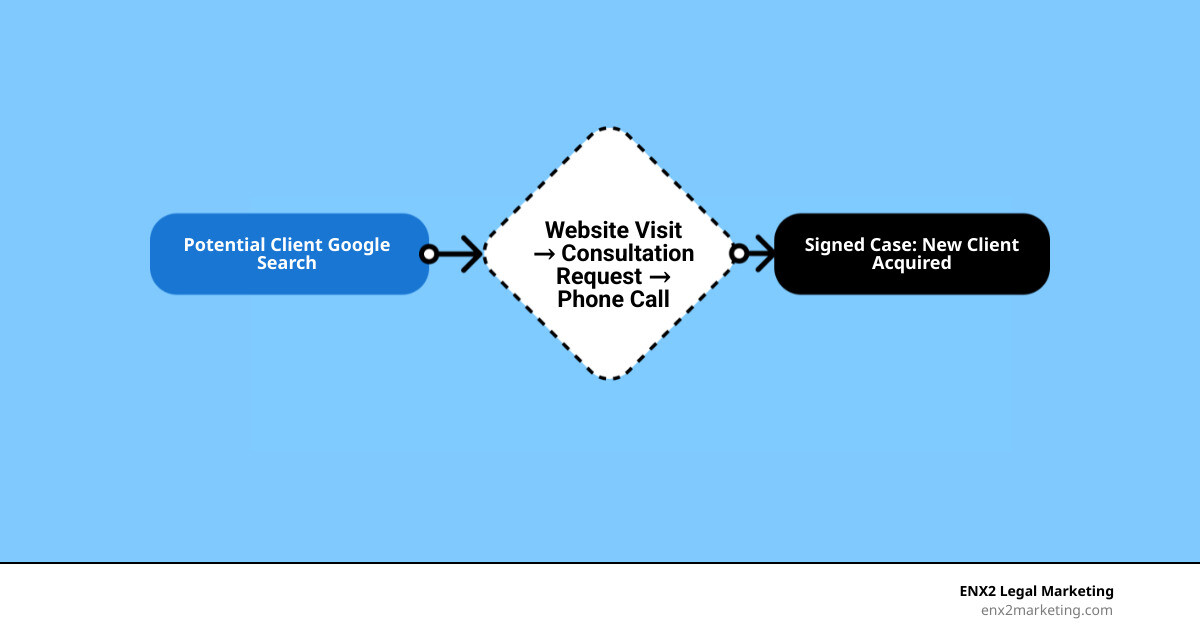
Choosing the right Legal SEO company is like selecting co-counsel for a high-stakes case—you need to trust their expertise, ethics, and ability to deliver. It’s not about clicks; it’s about signed cases and sustainable growth.
The Unique Challenges of SEO for Law Firms
SEO for law firms is a different beast. The market is hyper-competitive, with countless lawyers vying for the top spot on Google. Generic tactics fail here. Furthermore, legal searches are driven by urgent, personal needs, making client intent crucial. An agency must understand the difference between a search for “how to write a will” and “estate planning lawyer near me” to target high-intent keywords. All strategies must also steer strict bar association advertising rules, building E-E-A-T (Experience, Expertise, Authoritativeness, Trustworthiness) through ethical means. Finally, the strategy for SEO for Personal Injury Lawyers differs vastly from that for a corporate law firm, requiring a custom approach for each practice area.
Red Flags: Warning Signs of a Bad Legal SEO Company
Spotting red flags early can save your firm from wasted time, money, and reputational damage.

Here are common warning signs:
- Guaranteed #1 Rankings: No one can guarantee rankings on Google. Such promises often involve risky black hat techniques that can get your site penalized.
- Focus on Vanity Metrics: An agency that only reports on traffic or rankings without connecting them to leads and signed cases is missing the point.
- Lack of Transparency: A good partner should be an open book about their strategies and results. Vague answers or secret methods are a major red flag.
- Long-Term Contracts: Agencies that demand multi-year contracts may be more interested in locking you in than delivering continuous value. Look for flexibility.
- Refusal to Grant Website/Content Ownership: You must own your website, domain, and all content. Unscrupulous agencies may hold these assets hostage if you leave.
Green Flags: What to Look for in a Top-Tier Legal SEO Company
On the other hand, great partners exhibit clear signs of quality and trustworthiness.

- Legal Industry Specialization: An agency that exclusively serves law firms will always outperform a generalist due to their understanding of the market, ethics, and client journey.
- Verifiable Case Studies: A reputable agency will have a portfolio of success stories. Ask for case studies and testimonials from firms similar to yours.
- Transparent Reporting on ROI: Look for a partner that provides clear reports focused on what matters: qualified leads, call volume, conversion rates, and signed cases.
- Content Ownership: A trustworthy agency will ensure you own 100% of your digital assets, including your website and all content.
- Proactive Communication: A great agency acts as an extension of your team, communicating regularly and suggesting new strategies.
When interviewing agencies, here are key questions to ask a potential Choosing SEO Agency for Law Firm:
- What is your specific experience with law firms in our practice area?
- Can you provide case studies or client references?
- How do you measure success and report on ROI?
- What is your process for content creation and keyword research?
- How do you ensure compliance with state bar advertising rules?
- Will we own our website and all content?
- What are your contract terms and cancellation policy?
- How do you stay updated with Google’s algorithm changes?
- What is your communication process?
- How do you handle local SEO and Google Business Profile optimization?
Understanding Costs and Comparing Marketing Channels
The cost of a Legal SEO company depends on your market, practice area, and goals. While prices vary, view SEO as an investment in your firm’s primary growth engine, not an expense. Here’s how it compares to PPC (Pay-Per-Click):
| Feature | Law Firm SEO | PPC (Paid Search Ads) |
|---|---|---|
| Cost Structure | Monthly fee for ongoing optimization. | Pay-per-click budget plus management fee. |
| Speed of Results | Slower (3-12 months), but results are long-lasting. | Immediate visibility once the campaign is live. |
| Sustainability | Builds compounding, long-term authority. Traffic continues without per-click costs. | Stops the moment your budget runs out. |
| Trust/Credibility | Organic rankings are highly trusted and build significant authority. | Users recognize ads; they don’t carry the same inherent trust. |
| ROI | Excellent long-term ROI, often the most cost-effective channel over time. | Good for short-term ROI but requires continuous spending. |
| Visibility | Dominates organic results, where most users click. Very few ever visit Google’s second page. | Appears at the top but can be affected by ad blindness. |
Both have their place in a comprehensive Digital Marketing for Law Firms strategy. PPC can provide immediate leads while SEO builds a sustainable, long-term asset for your firm.
Building a Winning Strategy and Measuring Success
Once you’ve chosen your Legal SEO company, the real work begins. A successful strategy is built on a solid foundation and measured by its impact on your firm’s bottom line. It’s a collaborative process that requires a deep understanding of your firm’s goals, practice areas, and target clientele.
The Core Pillars of an Effective Law Firm SEO Strategy
Effective law firm SEO rests on four interconnected pillars that work together to build your online authority and attract qualified clients. A weakness in one pillar can undermine the strength of the others.

-
Technical SEO: This is the architectural blueprint of your website. It ensures your site is fast, secure (HTTPS), mobile-friendly, and easily crawled and understood by search engines. A site with technical problems will struggle to rank, regardless of its content. Key elements include optimizing for Google’s Core Web Vitals to ensure a good user experience, implementing schema markup (structured data) to help Google understand your services, and creating a logical site structure with clean URLs. A Well-Designed Website is non-negotiable in today’s mobile-first world, where a majority of legal searches begin.
-
Content Marketing: This is where you demonstrate your expertise and build trust. By creating high-quality, in-depth content—like comprehensive practice area pages, blog posts answering common legal questions, and detailed case results—you address the real-world problems your potential clients face. This content must be tailored to different stages of the client journey, from initial awareness to the decision to hire an attorney. This is why partnering with Law Firm SEO Experts who understand legal nuances and keyword intent is so critical.
-
Local SEO: For most law firms, clients are local. Local SEO focuses on dominating search results in your specific geographic area. This involves meticulously optimizing your Google Business Profile (GBP), building consistent local citations (mentions of your firm’s name, address, and phone number across the web), and actively managing and responding to client reviews. The goal is to appear prominently in the coveted “map pack” for high-value searches like “divorce lawyer near me,” which often drives the most qualified, ready-to-call leads. Our Law Firm Local SEO Guide covers these strategies in detail.
-
Authoritative Link Building: Backlinks from other reputable websites act as “votes of confidence” for your firm in Google’s eyes. When respected legal directories, local news outlets, or industry associations link to your site, it signals that you are a trustworthy authority, significantly boosting your rankings. This isn’t about quantity; it’s about quality. Ethical link-building strategies might include creating valuable legal resources that others want to cite, guest posting on relevant blogs, or earning mentions through community involvement and public relations.
How to Measure SEO Success and Calculate Your ROI
Forget vanity metrics like traffic and rankings in isolation. The only measure of success that matters is whether your SEO investment is generating more signed cases. A top-tier Legal SEO company will connect every effort back to your firm’s bottom line.
Tracking Qualified Leads and Signed Cases
This is the most critical step. Through tools like dynamic call tracking and advanced form analytics, your agency should be able to tell you exactly how many qualified leads came from organic search. But it can’t stop there. By integrating with your firm’s client intake process or CRM, you can track which of those leads became actual paying clients. This closed-loop reporting allows you to move beyond guessing and calculate a true cost-per-case and return on investment for your SEO efforts.
For example, if your monthly SEO investment is $4,000 and it generates three new cases with an average value of $15,000 each, that’s $45,000 in revenue. The ROI is crystal clear and defensible.
Long-Term Value and Brand Building
While PPC offers immediate results, SEO is a long-term investment in a valuable firm asset. SEO Takes Time and Patience, with most firms seeing significant, compounding results within 6-12 months. These results build a sustainable source of leads that isn’t dependent on a daily ad budget. As you consistently appear at the top of search results for key terms, you also build invaluable brand recognition and authority in your market, creating value that extends far beyond direct lead generation.
At ENX2 Legal Marketing, we’ve spent over a decade perfecting these measurement systems because we believe in complete transparency. Whether you need specialized SEO for Bankruptcy Lawyers or a broad strategy for a personal injury firm, our goal is the same: driving measurable growth for your practice through ethical, results-driven SEO.