



Why Marketing Analytics for Lawyers is Your Path to Sustainable Growth
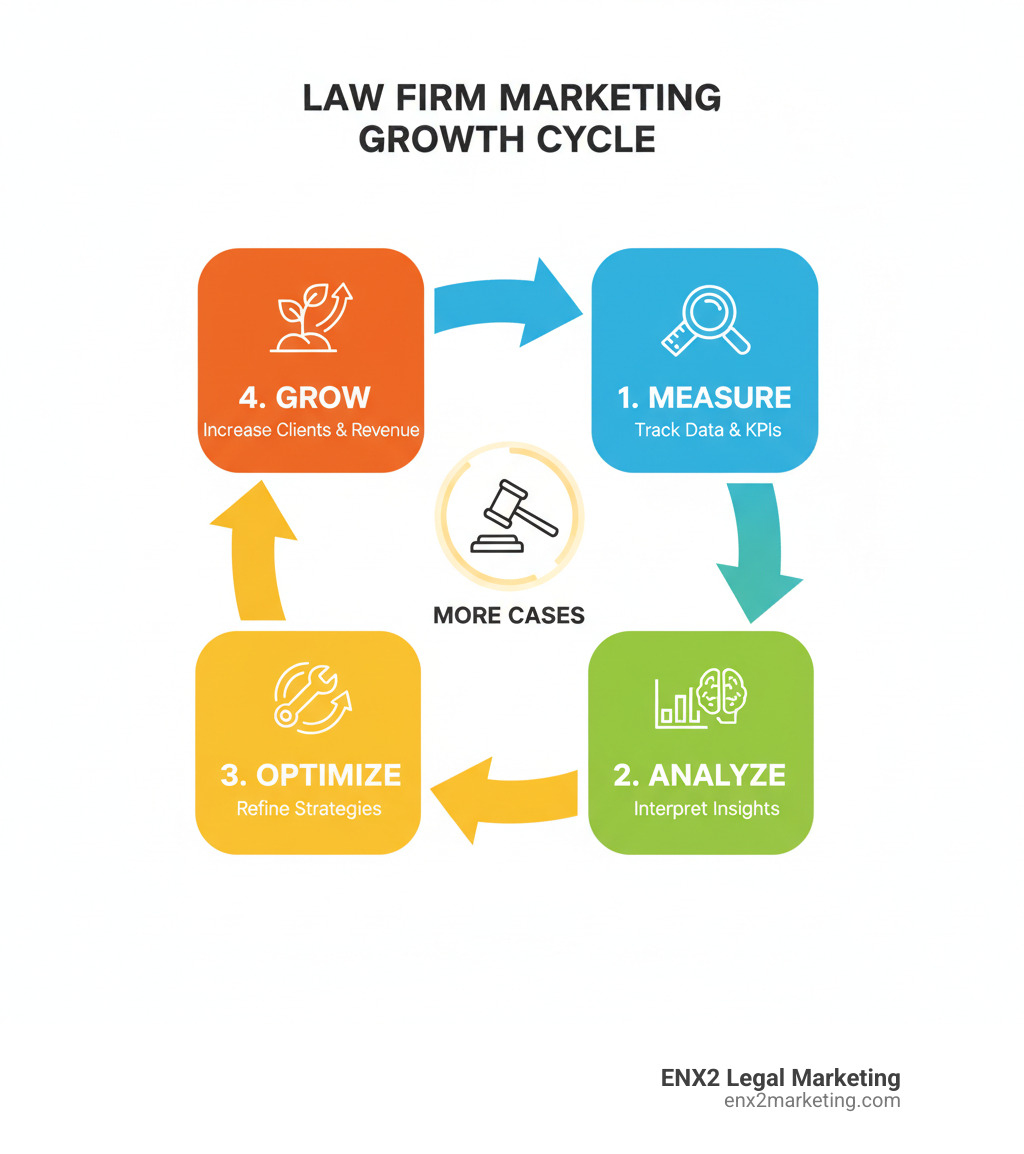
Marketing analytics for lawyers provides law firms with measurable insights into which marketing efforts generate actual clients and revenue. Here’s how to apply it effectively:
- Define conversions clearly – Track phone calls, form submissions, and consultation bookings that align with your intake process.
- Monitor key metrics – Focus on Cost Per Lead (CPL), Client Acquisition Cost (CAC), and Return on Investment (ROI).
- Use the right tools – Implement Google Analytics 4, call tracking software, and CRM integration.
- Make data-driven decisions – Reallocate budget from underperforming channels to those delivering the best results.
- Review regularly – Check paid search weekly, organic search monthly, and adjust strategies accordingly.
The legal market is more competitive than ever. Without clear data, you’re betting with every marketing dollar. The reality is stark: 80% of law firms say they don’t get regular marketing performance reports. Meanwhile, businesses that use data-driven marketing see a 20% increase in ROI compared to those that don’t.
This isn’t about becoming a data scientist; it’s about knowing which efforts bring in signed cases and which waste your budget. This guide will show you how to measure, analyze, and optimize your law firm’s marketing to turn insights into more clients.
I’m Nicole Farber, founder of ENX2 Legal Marketing, and over the past 10 years, I’ve helped law firms transform their marketing from guesswork into a growth engine using marketing analytics for lawyers. I’ve seen how the right data can take a firm from struggling with lead generation to signing a record number of clients.

Mastering Marketing Analytics for Lawyers: From Metrics to Strategy
In today’s legal landscape, running a firm without analytics is like arguing a case without evidence. You stop guessing and start knowing which campaigns deliver clients and which channels are worth your investment. It’s the difference between wondering why you’re not getting calls and knowing exactly what’s filling your consultation calendar.
Defining Your Data-Driven Playbook: Key Metrics and Conversions
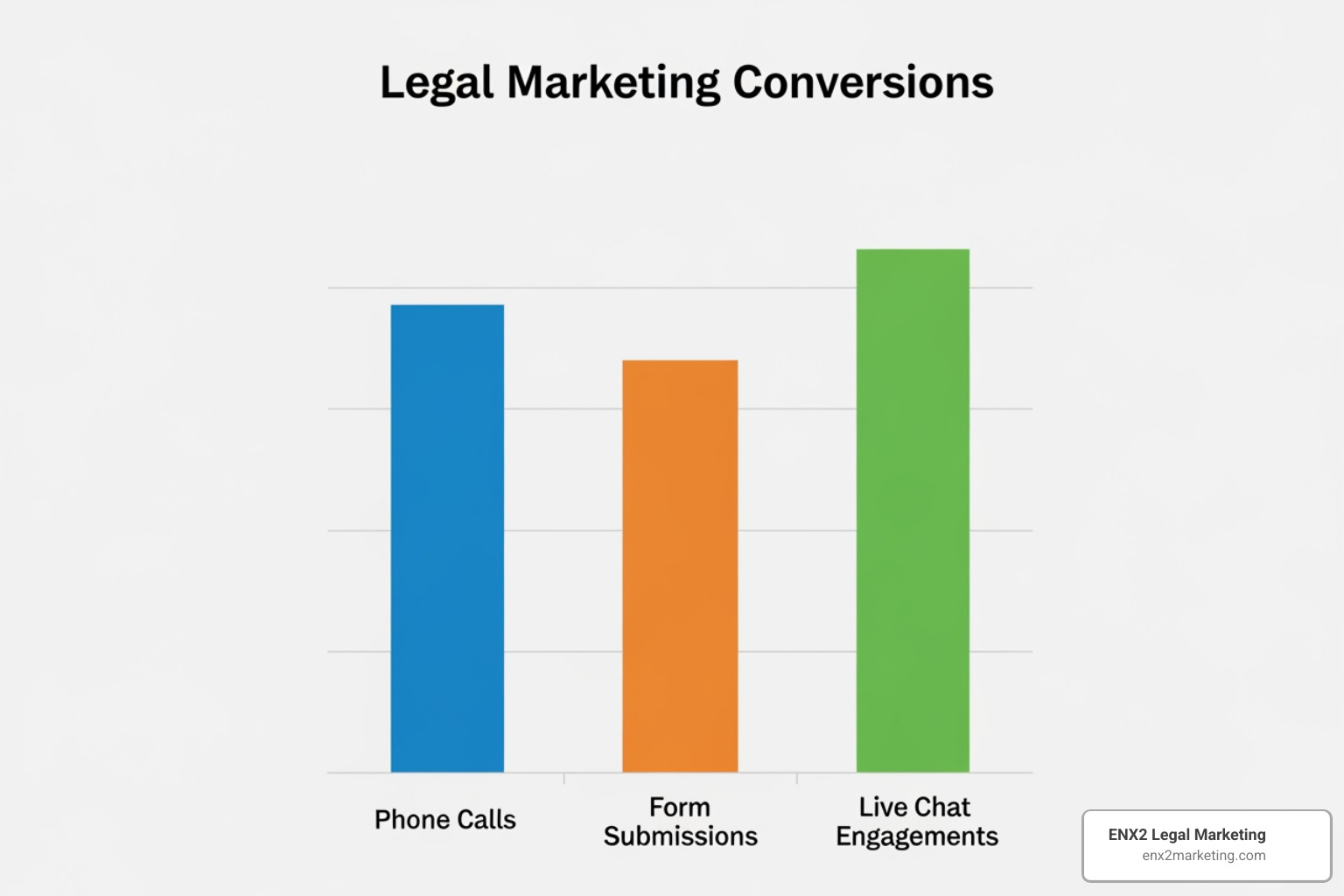
First, define what success looks like. A conversion is any action a potential client takes that moves them closer to hiring you. For law firms, common conversions include phone calls, form submissions, live chat engagements, and consultation bookings. The key is to align these definitions with your actual intake process.
Once you’ve defined conversions, track the metrics that matter. If you’re wondering What Does KPI Mean?, it stands for Key Performance Indicator—a measurable value showing how you’re achieving business goals. For law firms, these include:
- Website Traffic: How many people visit your site and where they come from.
- Conversion Rate: The percentage of visitors who take a desired action.
- Cost Per Lead (CPL): How much you pay to acquire each lead. Knowing if Google Ads leads cost $2,000 while Facebook leads cost $500 tells you where to focus your budget.
- Client Acquisition Cost (CAC): The total investment needed to sign a new client.
- Return on Investment (ROI): The ultimate measure of profitability for your marketing efforts.

Your Analytics Toolkit: Leveraging Google Analytics and Other Essential Tools
To track these metrics, you need the right tools. Google Analytics 4 (GA4) is the central hub for most firms, showing how users interact with your site. You can track traffic sources, user engagement, and campaign performance. Most importantly, you can set up events to track key conversions, attributing leads directly to their source. Google offers a step-by-step tutorial on setting up key events in GA4 to help you get started.
Other essential tools include:
- Call Tracking Software: Assigns unique phone numbers to campaigns to prove which marketing efforts are driving calls.
- CRM Integration: Connects analytics to your client relationship management system for a full-funnel view from first contact to signed case.
- SEO and Social Media Tools: Platforms like SEMrush, Ahrefs, and native social media analytics help you monitor organic growth and audience engagement.
For more on how these tools work together, explore our insights on Legal Marketing Analytics.
The Three Tiers of Insight: Applying Different Types of Analytics
Analytics isn’t just about past performance; it’s about shaping the future. There are three levels of insight that build on one another:

- Descriptive Analytics: Answers “What happened?” This is the foundation, summarizing past data to give you a clear picture of your performance. For example, a descriptive report might show, “Last month, our website generated 50 leads from organic search and 25 from paid ads, with an average CPL of $300.” This tells you your baseline.
- Predictive Analytics: Answers “What could happen?” This level uses historical data, trends, and algorithms to forecast future outcomes. For a law firm, this could mean forecasting lead volume for the upcoming quarter based on seasonal search trends for “divorce lawyer” or predicting that a specific blog post is likely to rank on the first page of Google within six months based on its current trajectory.
- Prescriptive Analytics: Answers “What should we do?” This is the most advanced level, offering specific, data-backed recommendations to achieve your goals. For instance, if predictive analytics forecasts a dip in leads, prescriptive analytics might recommend reallocating 20% of your social media budget to a high-performing Google Ads campaign or suggest A/B testing two different headlines on your landing page to improve the conversion rate. It turns insight directly into an action plan.
Best Practices for Implementing Marketing Analytics for Lawyers
To get analytics right, you need a strategic and consistent approach.
- Set SMART Goals: Vague goals lead to vague results. Instead of “get more leads,” aim for specific, measurable, achievable, relevant, and time-bound targets like, “Increase qualified leads from organic search by 20% in the next six months.”
- Report and Review Regularly: Data is useless if it sits in a dashboard untouched. According to The 2023 ABA Websites & Marketing Tech Report, a staggering 80% of firms don’t get regular marketing reports. Set a cadence: review paid campaigns weekly to manage ad spend, and analyze organic channels monthly to track long-term growth.
- Focus on Outcomes, Not Vanity Metrics: It’s easy to get distracted by metrics like social media likes, impressions, or website traffic. While these can be indicators, they don’t pay the bills. Concentrate on bottom-line outcomes: CPL, CAC, and ultimately, ROI. A campaign with 10,000 impressions and zero leads is a failure; a campaign with 1,000 impressions and five qualified leads is a success.
- Foster a Data-Driven Culture: Analytics shouldn’t be siloed within your marketing department or agency. Share key insights with partners and, crucially, your intake team. When your intake staff knows that a call is coming from a high-intent “wrongful death lawyer” Google Ad, they can handle it with the appropriate priority and context. This alignment across the firm ensures marketing efforts are not wasted at the final step.
- Avoid Common Pitfalls: Many firms stumble by:
- Collecting data without acting on it: This leads to “analysis paralysis,” where you have plenty of information but no clear direction. Each report should end with a list of next steps.
- Tracking the wrong metrics: Focusing on vanity metrics gives a false sense of success while your competition is tracking what matters—signed cases.
- Failing to define conversions clearly: If a “lead” is just any form submission, including spam, your data is skewed. Ensure your conversion definitions align with your intake process for qualified potential clients.
For more on using data effectively, check out our guide on How to Use Data in Content Marketing.
Optimizing Budgets and Maximizing ROI with Marketing Analytics for Lawyers
One of the most powerful uses of analytics is optimizing your marketing budget. Use data to identify which channels deliver the best results and shift funds from underperforming areas to those that are thriving. For example, we helped one client reduce their acquisition cost by over 65% by reallocating budget from a high-CPL Google Ads campaign to a more efficient Facebook campaign.
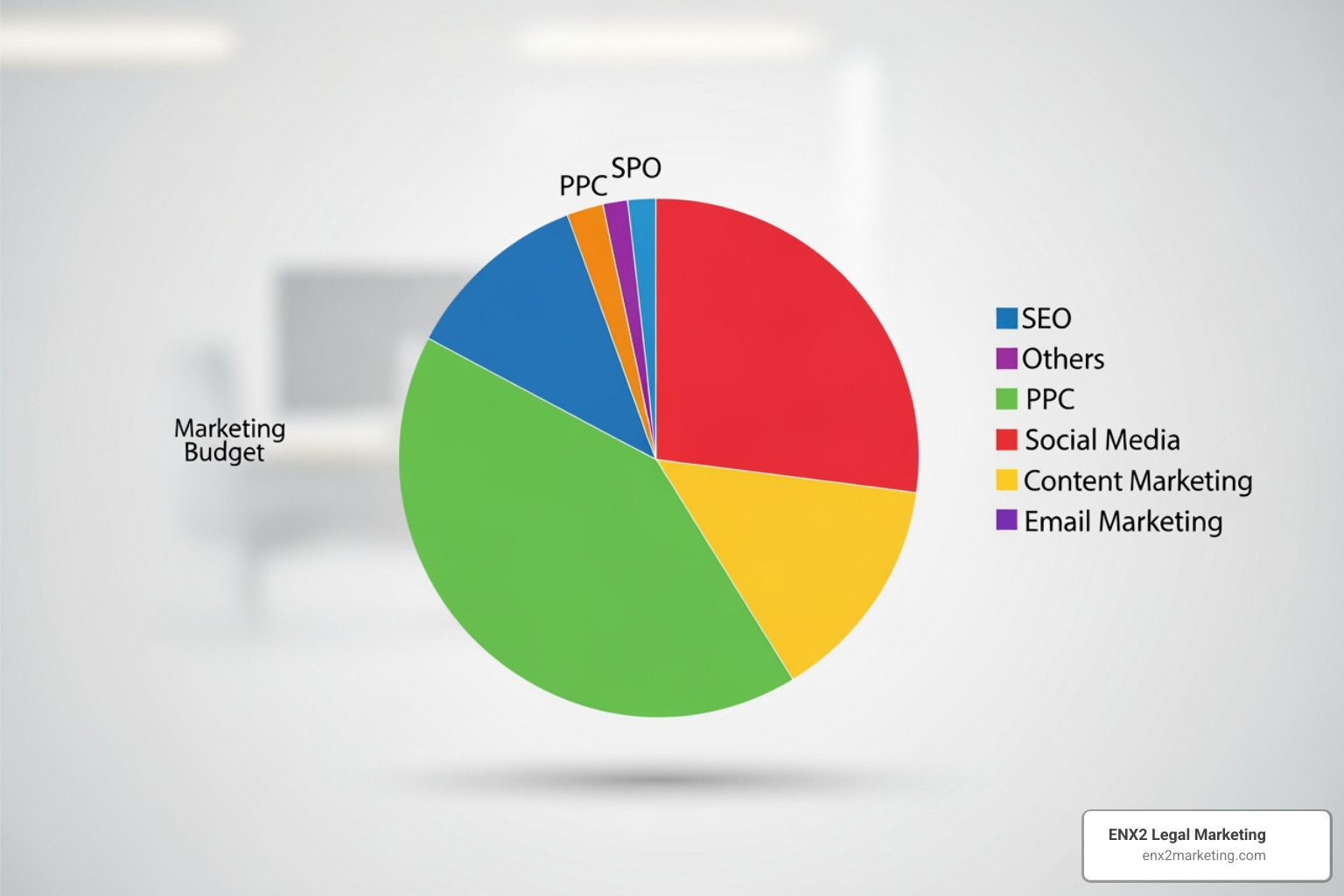
Analytics helps you identify high-value channels where a single signed case can justify the marketing spend, allowing you to scale your investment confidently. It also gives you an objective reason to cut campaigns that aren’t working. Data proves marketing’s value, changing it from an expense into a predictable revenue driver. For more on reporting, explore our article on Marketing Analytics Reporting.
Using Data to Build Trust and Uncover New Opportunities
Beyond budget optimization, analytics helps you identify market trends, uncover niche practice areas, and understand client pain points by analyzing search queries and content engagement. This allows you to create resonant content that addresses client needs, building data-backed credibility and positioning your firm as a trusted authority. A seamless online experience, informed by analytics, further improves that trust. For more on comprehensive digital strategies, see our guide on Digital Marketing for Law Firms.
Turning Your Data into Your Next Signed Case
The core takeaway from this guide is simple: you don’t have to guess about your marketing anymore. Just as you build a legal case on evidence, you should build your marketing strategy on data. Analytics provides the evidence to show what’s working and what’s wasting your budget.
This data-driven approach brings clarity. You’ll know which campaigns generate qualified leads and which content resonates with potential clients. That clarity leads to efficiency. Instead of spreading your budget thin, you can focus on what delivers results. For one of our clients, shifting budget from a high-cost channel to a more effective one cut their client acquisition cost by over 65%.
This efficiency drives sustainable growth, turning marketing from a mystery into a reliable engine for signing new cases. The firms that thrive are the ones that know where their clients come from, what it costs to acquire them, and how to optimize that process month after month.
At ENX2 Legal Marketing, we specialize in changing complex data into clear, actionable strategies for law firms across Pennsylvania, New York, California, Tennessee, and Washington D.C. From custom web design and SEO to comprehensive analytics consulting, we make your marketing work smarter.
Now it’s time to act. To accurately attribute every lead and optimize your marketing spend, learn how call tracking for lawyers can transform your intake process. When you can track which marketing channels are driving actual phone calls, you gain a new level of clarity.
The legal market isn’t getting any less competitive. But with the right approach to marketing analytics, you don’t have to outspend everyone else. You just have to be smarter about where you invest. Let’s turn your data into your next signed case.